
How to Write a Business Plan: The Complete Guide for Entrepreneurs and Small Business Owners

Updated: 7 days ago
Every successful business starts with an idea.
However, turning an idea into a profitable, sustainable business requires far more than enthusiasm. It requires planning.
A well-written business plan provides clarity, direction and structure. It helps you understand your market, define your objectives, forecast your finances and make informed decisions as your business grows.
Contrary to popular belief, business plans aren't just for banks or investors. They are valuable working documents that help business owners stay focused, measure progress and adapt as circumstances change.
Whether you're launching your first business, expanding into new markets or reviewing your long-term strategy, this guide will explain how to write a professional business plan that supports sustainable growth.
What Is a Business Plan?
A business plan is a structured document that outlines your business objectives, strategy, operations and financial plans.
It acts as a roadmap, helping you understand where your business is today, where you want it to go and how you intend to get there.
A good business plan should answer questions such as:
What problem does your business solve?
Who are your customers?
What makes your business different?
How will you generate revenue?
What are your expected costs?
How profitable could the business become?
What risks do you face?
What are your long-term goals?
A business plan should evolve alongside your business rather than remain a document that's written once and forgotten.

Why Every Business Needs a Business Plan
Businesses operate in increasingly competitive and unpredictable markets.
Having a documented plan provides a framework for making informed decisions and responding to change.
A business plan can help you:
Clarify your business objectives
Understand your target market
Plan future growth
Forecast revenue and costs
Improve decision-making
Identify risks before they become problems
Secure funding or investment
Monitor business performance over time
Even established businesses benefit from reviewing and updating their plans regularly.
When Should You Write a Business Plan?
Although many people associate business plans with start-ups, they remain valuable throughout the life of a business.
You should consider preparing or updating your business plan when:
Starting a new business
Launching a new product or service
Applying for finance or investment
Expanding into new markets
Recruiting employees
Reviewing annual objectives
Experiencing significant business changes
Business planning should be viewed as an ongoing process rather than a one-time task.
The 10 Essential Sections of a Business Plan
A professional business plan generally includes the following sections.
1. Executive Summary
Although it appears first, the executive summary is usually written last.
It provides a concise overview of:
Your business
Your products or services
Your target market
Your objectives
Your financial outlook
A strong executive summary should encourage the reader to continue.
2. Company Overview
Describe your business, including:
Business name
Legal structure
Location
Mission
Vision
Core values
This section should explain what your business does and why it exists.
3. Products and Services
Explain exactly what you offer.
Include:
Products or services
Pricing approach
Unique selling points
Competitive advantages
Future developments
Focus on the value you provide rather than simply listing features.
4. Market Analysis
Understanding your market is essential.
Research should include:
Industry overview
Market trends
Competitor analysis
Customer needs
Opportunities
Threats
The stronger your research, the stronger your strategy.
5. Target Customers
Clearly define your ideal customer.
Consider:
Age
Location
Industry
Business size
Spending behaviour
Pain points
Buying habits
Knowing your audience helps shape marketing, pricing and product development.
6. Marketing and Sales Strategy
Explain how customers will discover your business.
This may include:
Website
Search Engine Optimisation (SEO)
Social media
Email marketing
Advertising
Networking
Partnerships
Referral programmes
Your sales process should also be clearly explained.
7. Operations Plan
Describe how your business operates day to day.
Include:
Suppliers
Equipment
Software
Staff
Delivery processes
Customer support
Business systems
Operational efficiency often becomes a significant competitive advantage.
8. Financial Plan
The financial section is one of the most important parts of any business plan.
It should include:
Revenue forecasts
Expected costs
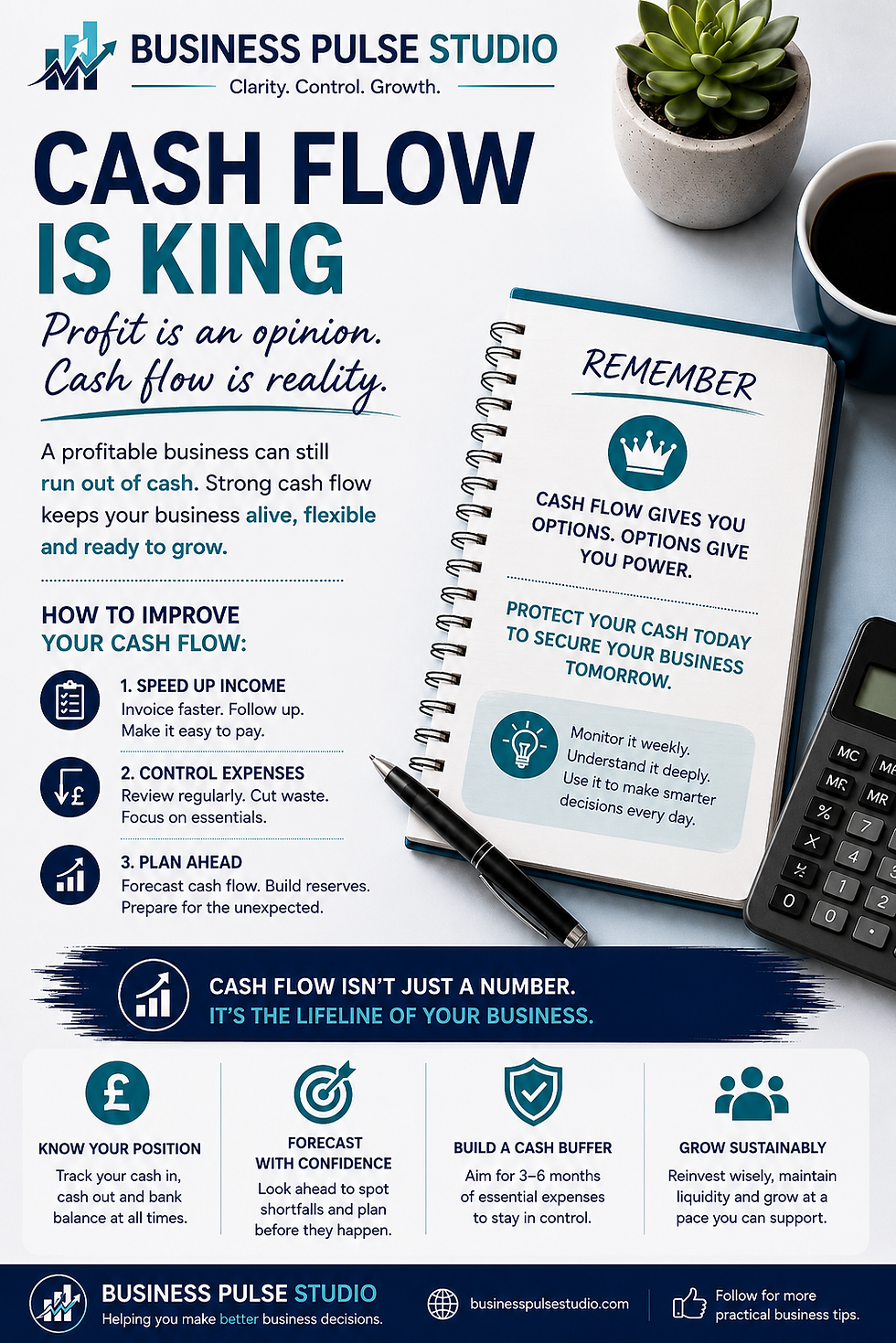
Cash flow forecasts
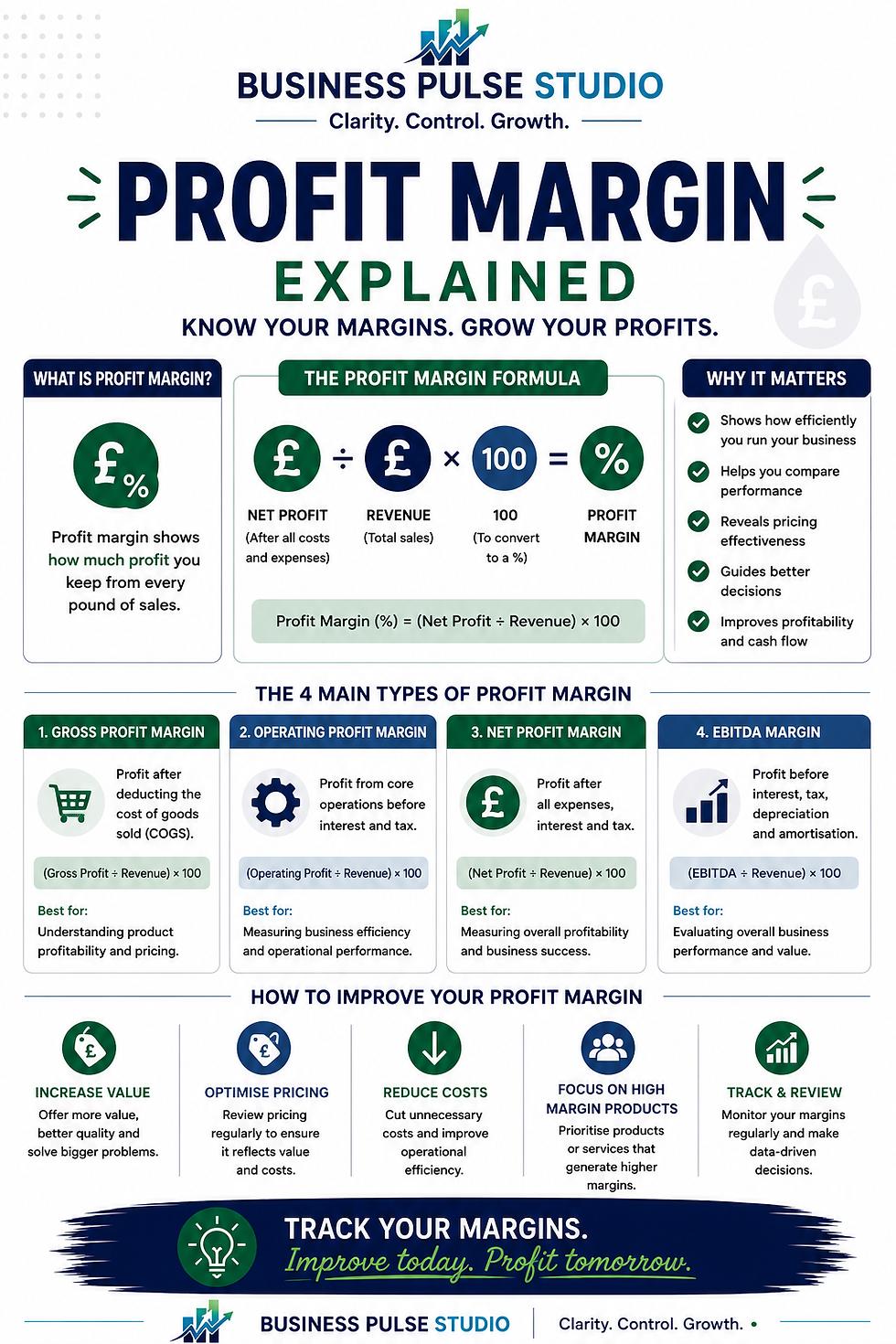
Profit projections
Break-even analysis
Pricing assumptions
Funding requirements
A realistic financial plan demonstrates that your business idea is commercially viable.
9. Risk Assessment
Every business faces risk.
Examples include:
Economic conditions
Competition
Supply chain disruption
Technology changes
Staffing challenges
Regulatory changes
Identifying risks early allows you to prepare appropriate contingency plans.
10. Growth Strategy
Finally, explain how your business intends to grow.
This may involve:
New products
Additional markets
Recruitment
Automation
Strategic partnerships
International expansion
Growth should be realistic, measurable and aligned with your financial forecasts.
Common Business Planning Mistakes
Many business plans fail to achieve their purpose because they contain avoidable weaknesses.
Some of the most common mistakes include:
Writing unrealistic financial forecasts
Failing to research competitors
Overestimating sales
Ignoring operating costs
Setting vague objectives
Not reviewing the plan regularly
Treating the plan as a one-off document
A business plan should remain a practical management tool rather than simply an exercise completed for funding applications.
Reviewing Your Business Plan
Your business plan should evolve alongside your business.
Review it regularly to ensure it continues to reflect:
Business performance
Market conditions
Customer behaviour
Financial results
Growth objectives
Many successful businesses formally review their plans every quarter while monitoring key performance indicators throughout the year.
Supporting Your Business Plan with Financial Data
A business plan is only as strong as the financial information supporting it.
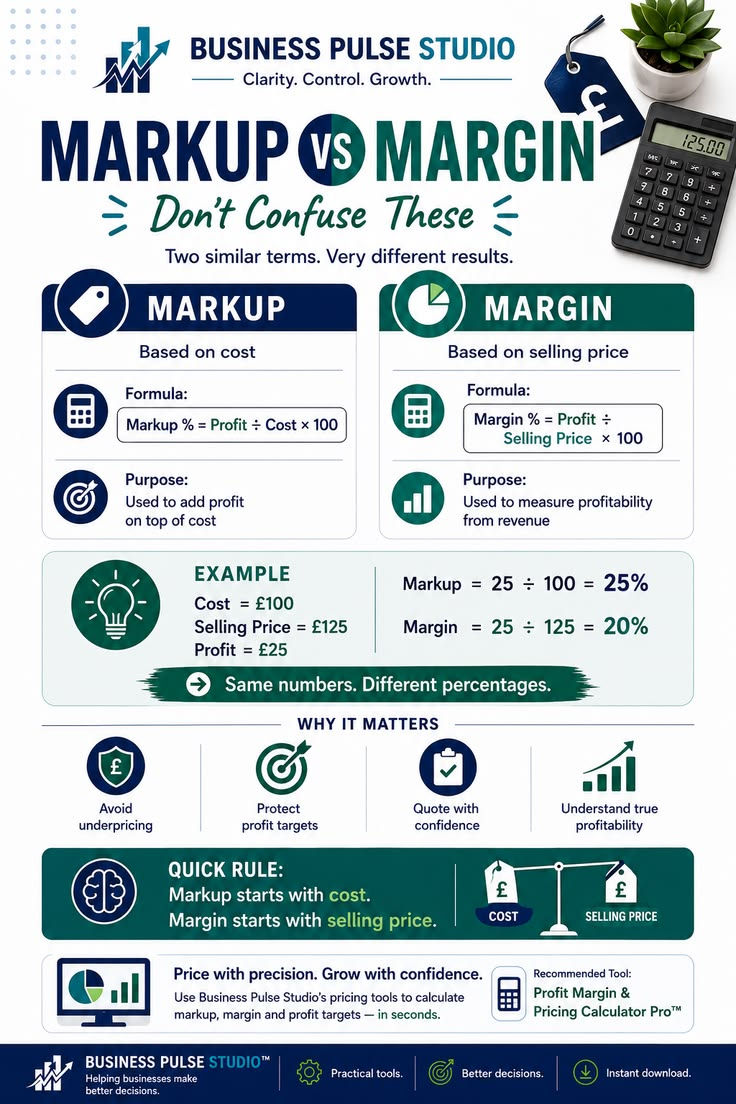
Reliable forecasts, pricing analysis, profitability calculations and cash flow planning all contribute to stronger decision-making.
Business owners who understand their numbers are generally better equipped to manage risk, identify opportunities and plan confidently for the future.
Simplify Business Planning with Business Pulse Studio™
Creating a professional business plan can feel overwhelming, particularly when you're trying to organise research, financial forecasts and strategic objectives.
The Business Pulse Studio™ Business Plan Builder Pro™ has been developed to provide a structured framework for building comprehensive business plans, helping entrepreneurs and business owners organise their ideas, document their strategy and develop realistic financial plans with greater confidence.
Whether you're starting a new venture or refining an existing business strategy, having a clear plan can significantly improve the quality of your decision-making.
Final Thoughts
A business plan is far more than a document for investors.
It is one of the most valuable management tools available to any business owner.
By taking the time to understand your market, define your objectives and develop realistic financial forecasts, you create a stronger foundation for sustainable growth.
As your business evolves, your plan should evolve with it, providing clarity, direction and confidence for every major decision you make.
Successful businesses rarely grow by accident.
They grow through planning, measurement and continuous improvement.
Frequently Asked Questions
How long should a business plan be?
There is no fixed length. A concise, well-structured plan of around 15–30 pages is often sufficient for most small businesses, although more complex organisations may require additional detail.
Do I need a business plan if I'm not seeking investment?
Yes. A business plan is a valuable management tool that helps clarify objectives, improve decision-making and monitor progress, regardless of whether external funding is required.
How often should I update my business plan?
Review your business plan at least once a year. If your business experiences significant changes, such as launching new products, entering new markets or securing major customers, update it sooner.
What is the most important section of a business plan?
Every section plays an important role, but the financial plan is often considered the most critical because it demonstrates whether the business is commercially viable.
Can I create a business plan using Microsoft Excel?
Microsoft Excel is an excellent tool for financial forecasting, budgeting and scenario planning. Many business owners also use structured templates to simplify the planning process and present information in a clear, professional format.
Comments